

Feeding winter cereals at the tillering stage
Cereal yield depends first of all on the number of productive stems. Their formation and survival during the growing season depend on plant strength and mineral nutrition conditions during tillering, BBCH 21–30.
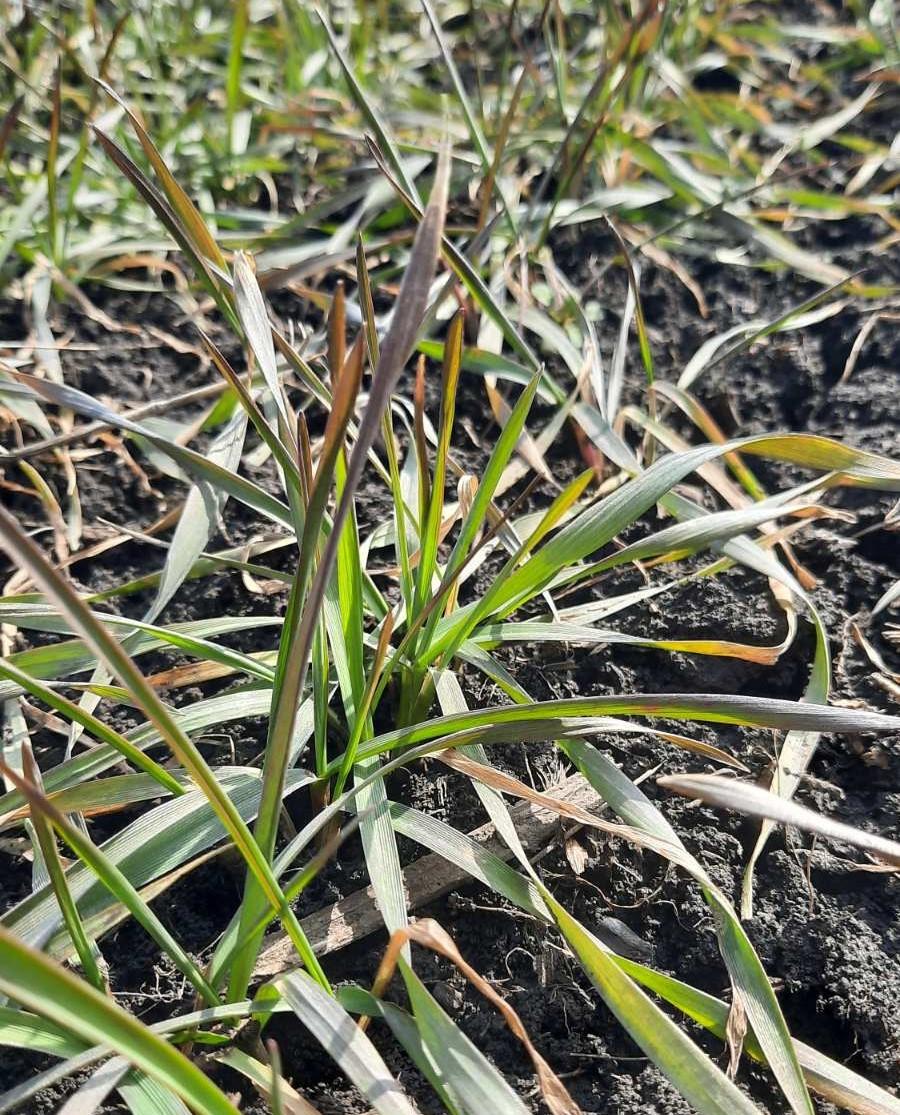
The nutrient reserves in the grain are enough to develop only two embryonic buds of the plant, although in the embryonic state their number reaches nine. From one grain the plant will form one full ear, and the second will be incomplete, the so-called undergrowth.
To stimulate the formation of more productive stems, favorable nutrition conditions must be created for the plant. The most important nutrient at this stage of growth and development is nitrogen, of which the plant takes up about 50 percent of its total requirement. However, for full nitrogen uptake, balanced nutrition with other elements and restraint of disease development are needed. At the same time the photosynthetic surface forms actively and carbon assimilation increases.
Given the current state of the crops and the results of many years of trials, we offer two options for feeding winter cereals at the tillering stage:
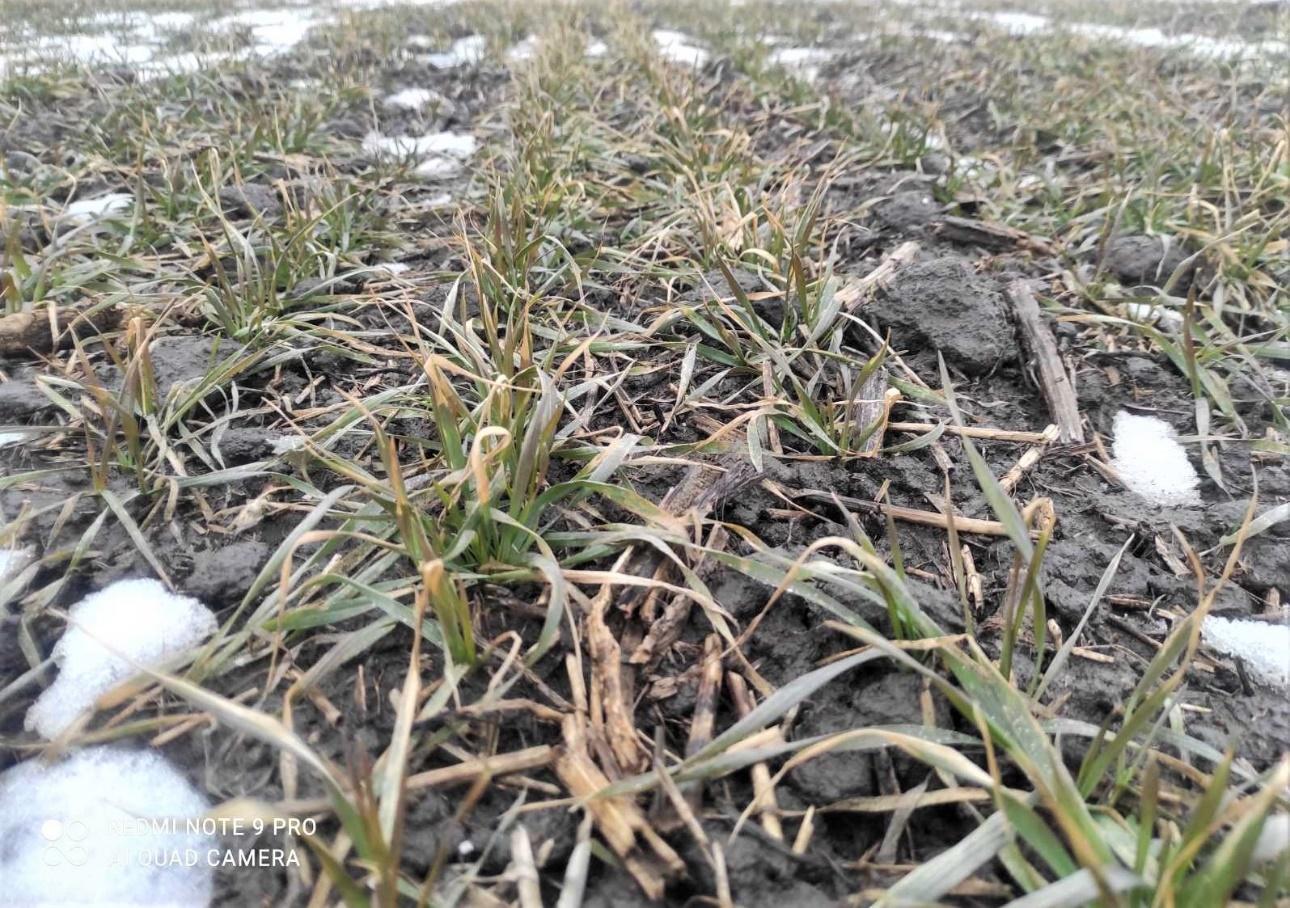
- For weakened crops, poorly developed since autumn, that have not yet resumed active growth, foliar feeding is advisable somewhat later, when the leaf and stem mass of plants can take up nutrients and biologically active substances. For such crops we recommend the tank mix ECOLINE Phosphite (K) 1.0 l/ha + ECOLINE Universal Growth (Amino) – 1.0 l/ha.
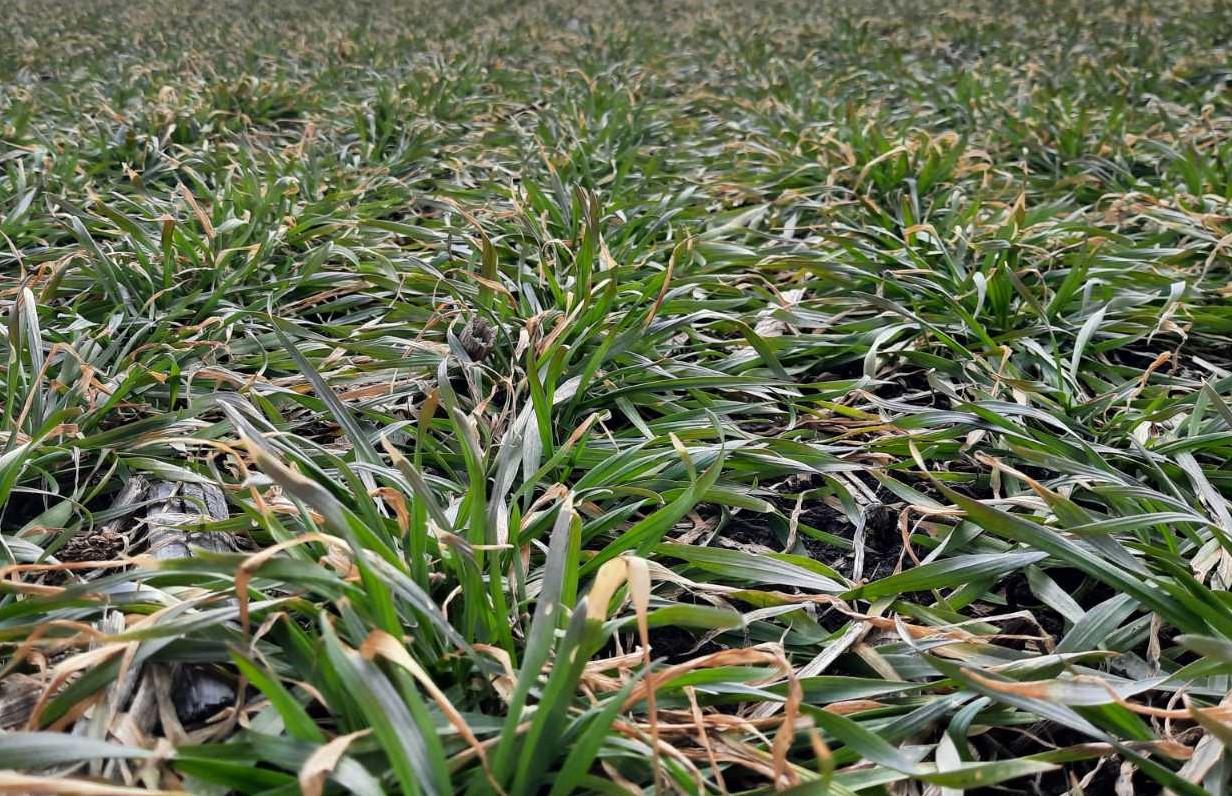
- For normally developed crops in the first spring foliar feeding we recommend ECOLINE Phosphite (K) 1.0–1.5 l/ha to activate root system growth and restrain disease development, which is relevant this spring.