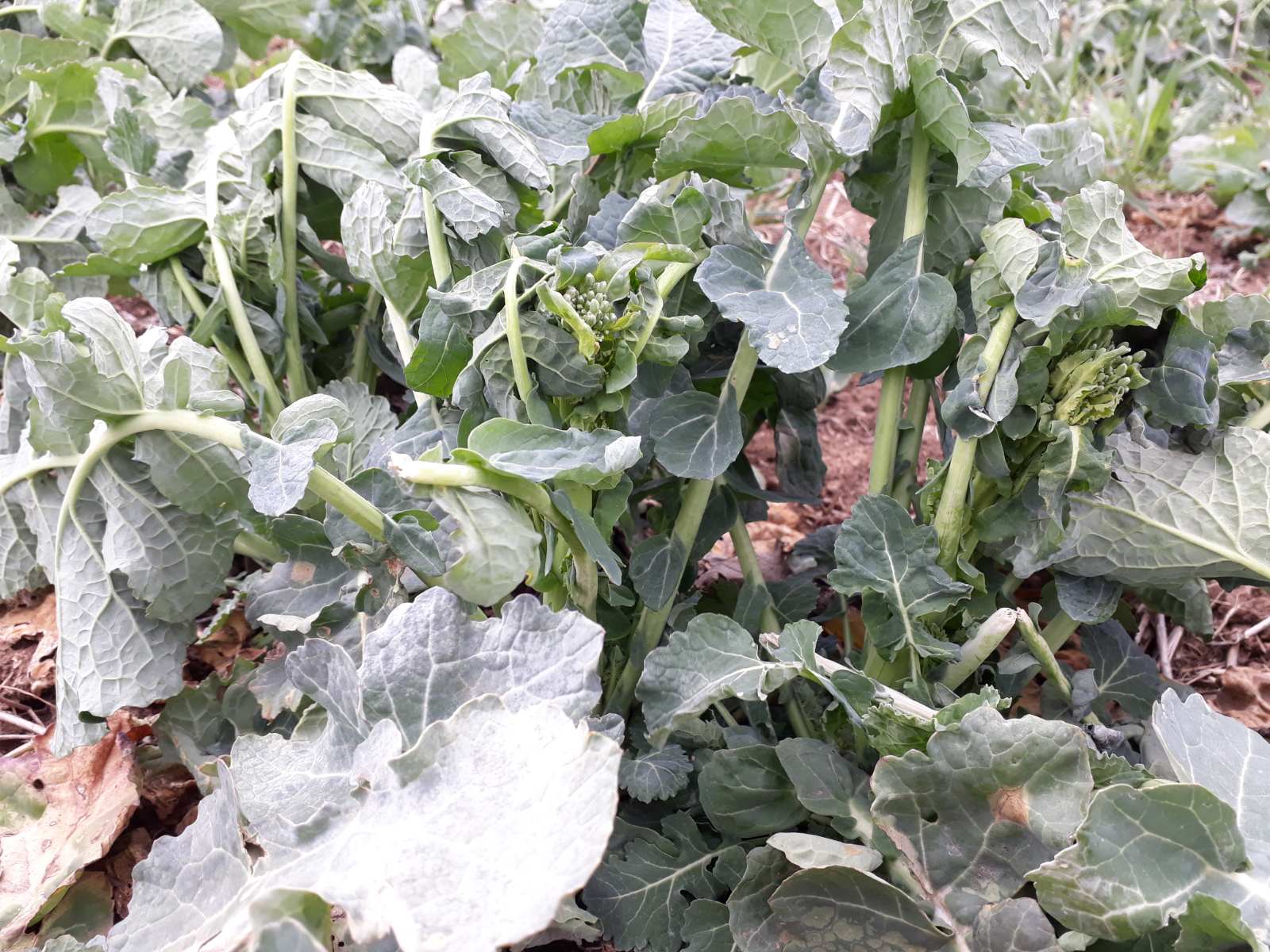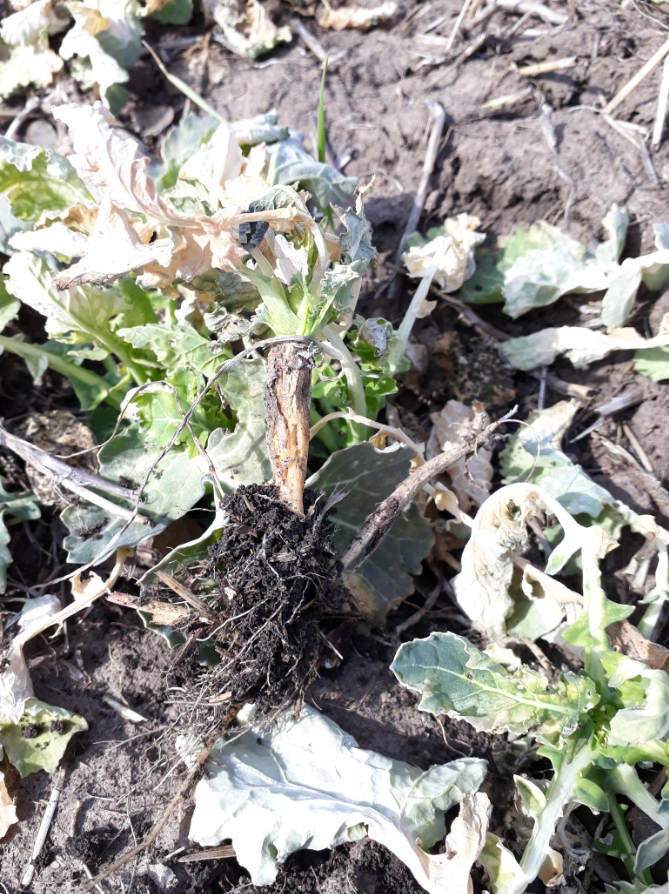


Anomalously warm weather during calendar winter meant that practically all winter rapeseed crops were in good or satisfactory condition at the beginning of March. On part of the areas plants had already put out a flowering stem. During the frosts this most vulnerable part of the rapeseed plant suffered from low night temperatures accompanied by strong gusts of wind. Inspection of crops in the eastern, southern and central regions of our country shows that the central flower stem is damaged and the chance of reviving it is slight. We can only hope for the development of second-order flowering stems located in the basal part of plants, covered by leaves.
What to do in this situation? Watch plant development and be ready to give first aid when plants can «accept» it. Approximately this period will come on 29–30 March, after positive temperatures set in for several days around the clock.
We recommend foliar feeding of plants with ECOORGANIC special fertilizers containing amino acids and other biologically active substances, in particular ECOLINE Phosphite (K-Amino) – 1.0–1.5 l/ha or ECOLINE Universal Growth (Amino) – 1.0–1.5 l/ha. These fertilizers can be combined in a tank mix with fungicides based on tebuconazole (or similar active substances). Boron feeding is better done later, after assessing plant recovery.